
Preserving Priceless Memories: How to Restore Water-Damaged Photographs
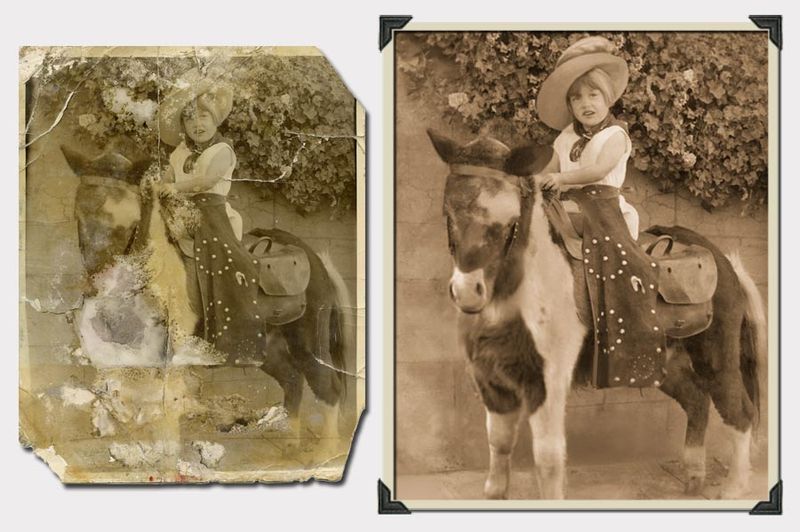
How to Restore Water Damaged Photos
After a flood or other water disaster, family photographs are often among the most heartbreaking items to discover damaged. While pictures may appear beyond saving, many can be restored if handled carefully and promptly. Acting quickly—and avoiding a few common mistakes—can greatly improve the chances of preserving these irreplaceable memories.
Don't Let Photos Dry Out
If your photographs have become wet, resist the urge to separate them or wipe them clean. Wet photographs are extremely fragile, and pulling them apart can permanently damage the image.
Instead, gently rinse away mud or debris using clean, cool water. Keep the photographs wet until you are ready to clean and separate them. If you can't work on them immediately, place the wet photographs in a sealed plastic freezer bag and freeze them. Freezing stops mold growth and deterioration, giving you time to restore them later or seek professional assistance.
How to Separate Photos That Are Stuck Together
One of the most common mistakes after flooding is trying to pull apart photographs that have become stuck together. Unfortunately, this often tears the photo emulsion and destroys the image.
If the photos have already begun to dry while stuck together, don't force them apart. Instead, soak the stack in a container of clean, cool distilled water for 20 to 30 minutes to soften the paper fibers. Once the photographs begin to loosen, gently ease them apart one at a time, starting at the corners. Never use hot water, sharp objects, or excessive force.
If the photos refuse to separate without resistance, stop, refreeze and consult a professional photograph conservator. For especially valuable or historic photographs, professional restoration is often the safest option.
Drying Your Photographs
After separating the photographs, gently rinse away any remaining dirt with clean water. Lay each photo face-up on clean paper towels, a drying rack, or another non-stick absorbent surface. Allow them to air-dry naturally in a cool, well-ventilated room away from direct sunlight, hair dryers, or other heat sources. Replace damp paper towels as needed to help speed the drying process.
Restoring the Images
Once your photographs are completely dry, you may be able to improve faded colors, stains, or minor damage using photo editing software or by working with a professional photo restoration service. While not every photograph can be returned to its original condition, many can be significantly improved and preserved digitally for future generations.
Preserve Them for the Future
After your photographs have been restored, consider scanning or digitizing your collection. Creating digital backups ensures your family's history is protected should another disaster occur.
Photographs tell the story of our families, businesses, and communities. They capture moments that can never be recreated. By handling water-damaged photos with patience and care, you can often save these treasured keepsakes and preserve your memories for generations to come.
Recovery Tip: As your family or business rebuilds, take new photographs along the way. Today's recovery photos will become tomorrow's history—and a testament to your resilience.