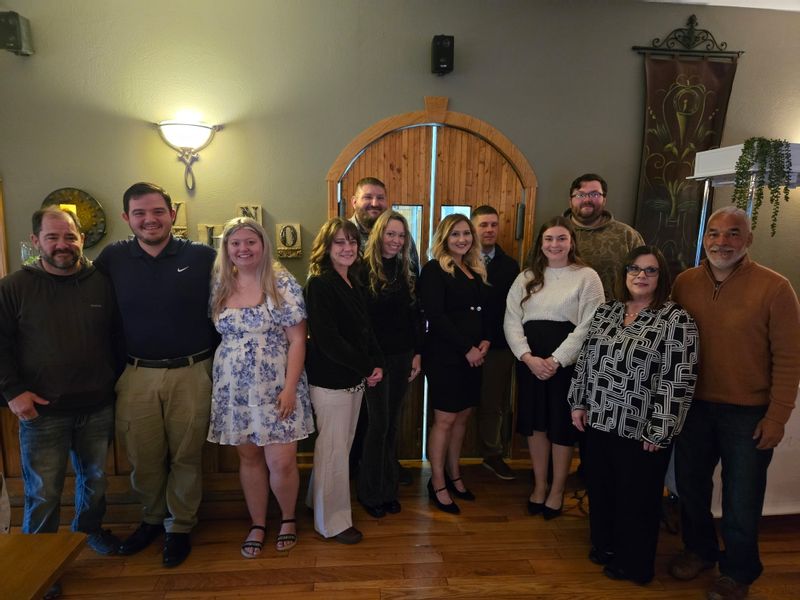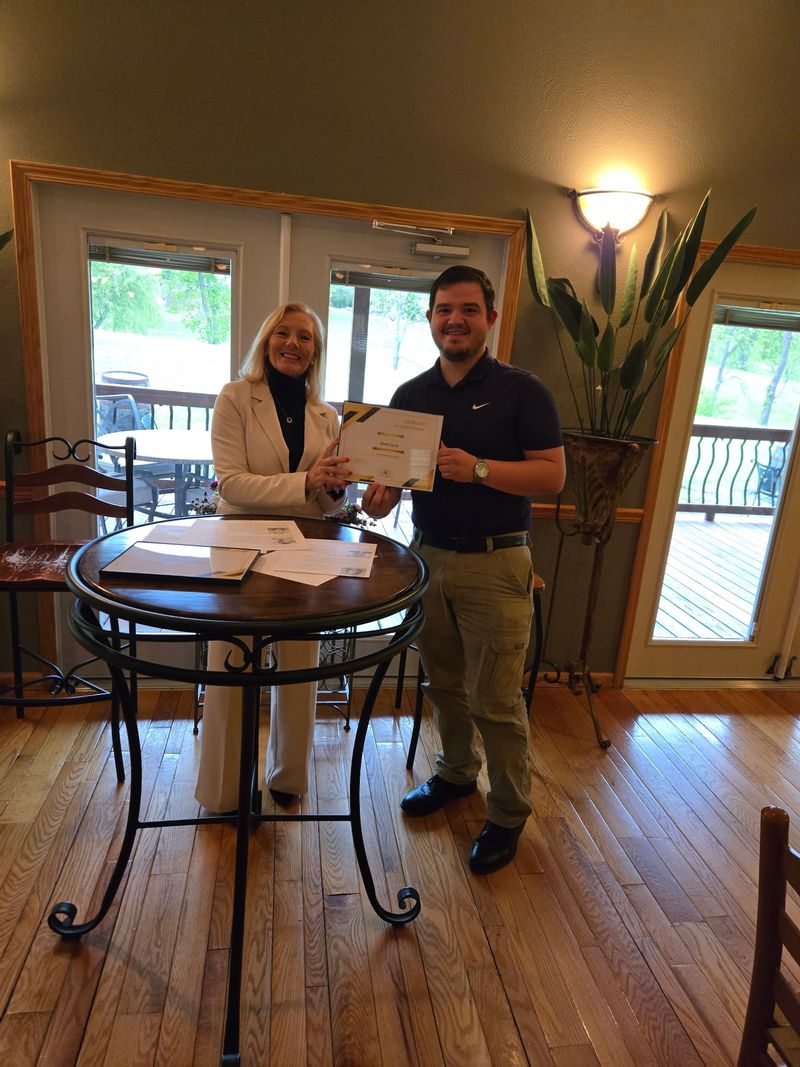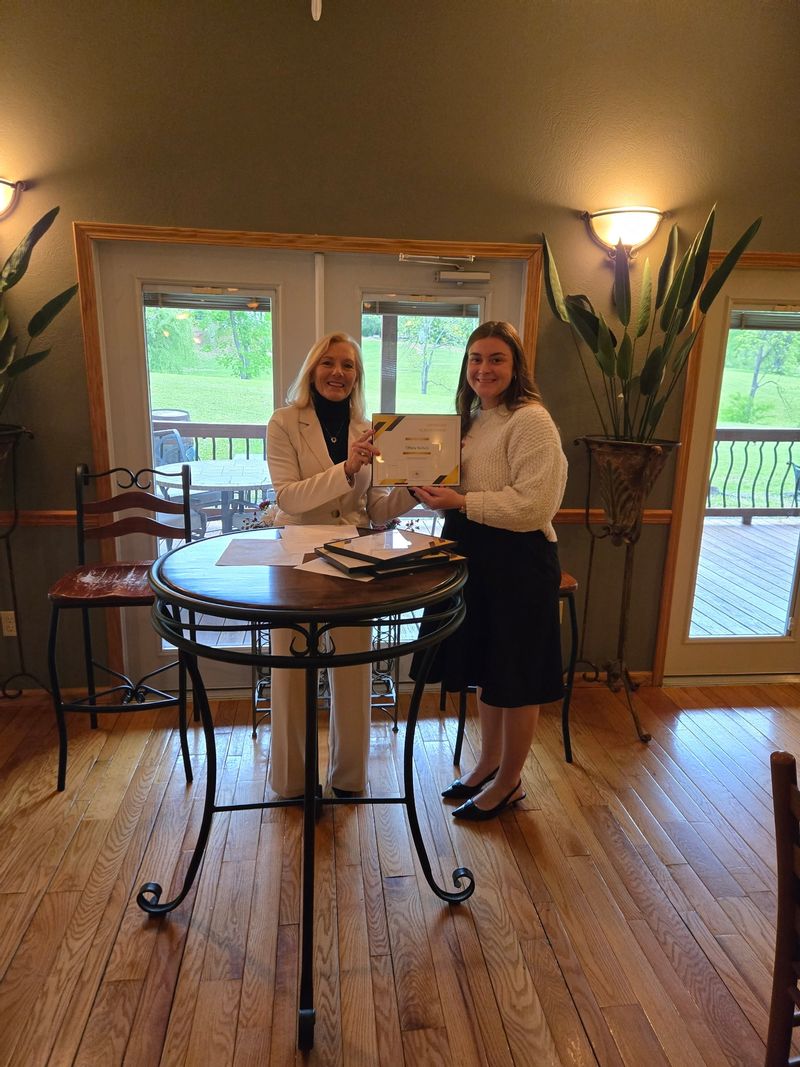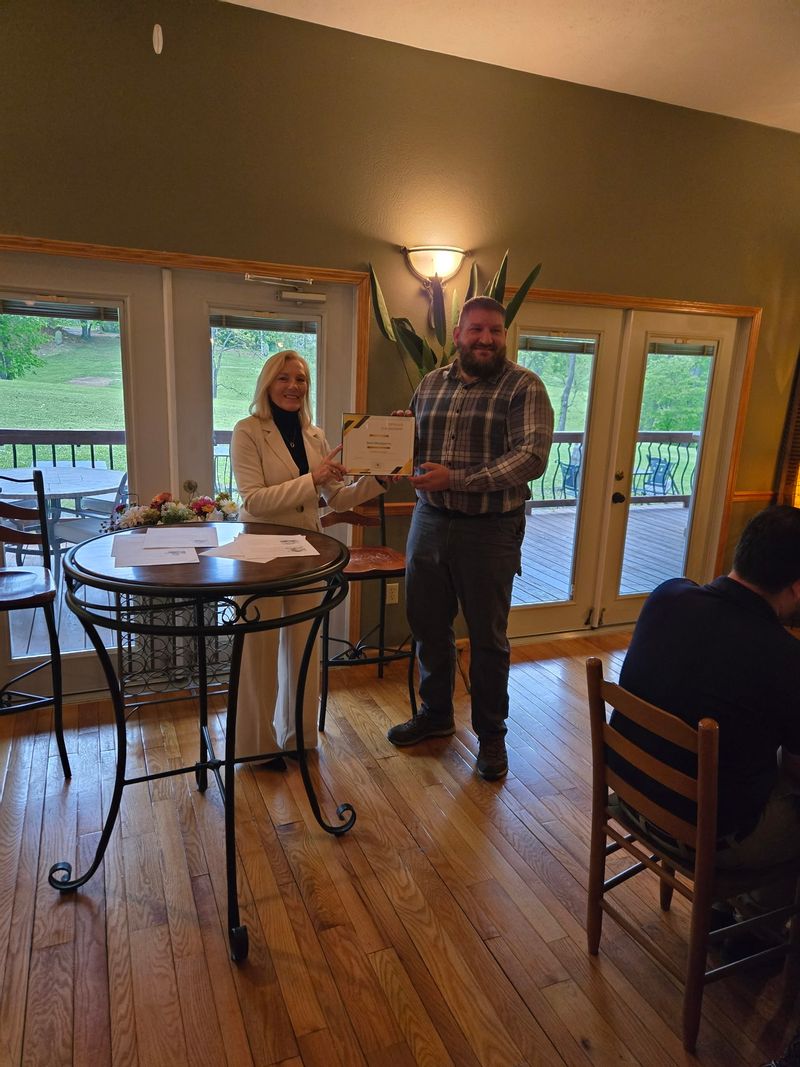
It's graduation season - Leadership Lewis Cohort 3
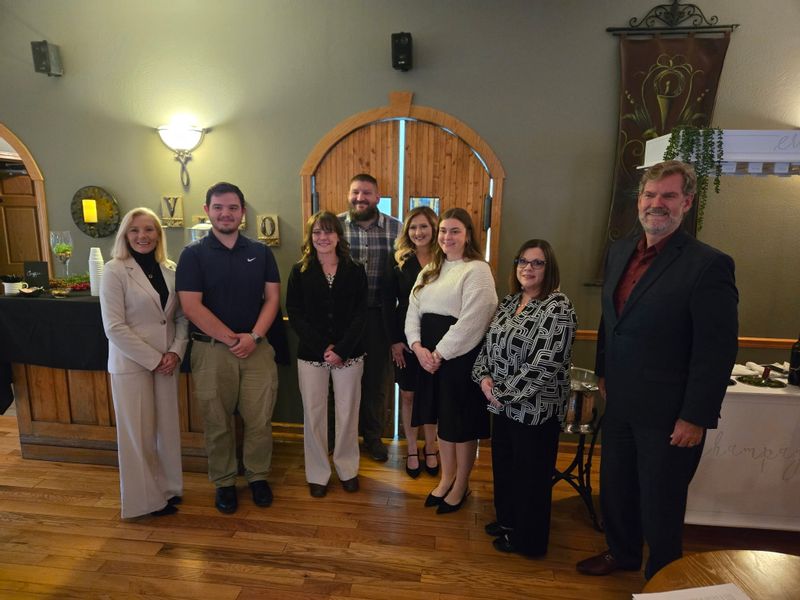
Over the past nine months, participants in the Leadership Lewis program have taken part in a meaningful journey—one that challenged them to grow not only as professionals, but as individuals and community leaders.
The program began with a focus on personal leadership, where participants explored the foundation of how they lead themselves before leading others. Through emotional intelligence (EI), they examined the four key dimensions—self-awareness, self-management, social awareness, and relationship management—and reflected on their own strengths and growth areas. For many, the process of completing an EI assessment and identifying development actions brought new clarity to how their behaviors and reactions shape their leadership.
From there, participants turned inward to define their personal leadership vision. By identifying core values and aligning them with SMART goals, each individual began crafting a vision for the kind of leader they aspire to be. These weren’t just abstract ideas—they became practical, guiding statements rooted in intentional action.
As the program progressed, the focus shifted to resilience and navigating uncertainty. In a world often defined by volatility and complexity, participants explored how to recognize internal resistance—whether emotional, behavioral, or physical—and understand what those signals are trying to protect. By connecting emotional intelligence, goal setting, and adaptability, they developed a more integrated approach to staying grounded and effective through challenges.
The transition into workplace leadership brought a new layer of application. Participants examined the five types of influence—positional, expert, relational, moral, and reciprocal—and reflected on how they currently lead and where they can grow. A key takeaway: true influence is built on trust and mutual benefit, not transaction. Through real-world scenarios, they developed strategies to expand their influence and strengthen relationships in their organizations.
Communication became a central theme as the cohort explored how leaders can either escalate or de-escalate conflict. By practicing principles like curiosity over certainty, focusing on contribution rather than blame, and recognizing that feelings provide valuable data, participants gained tools to navigate difficult conversations with greater clarity and empathy. The simple shift from “but” to “and” became a powerful reminder that multiple perspectives can coexist—and lead to better outcomes.
Midway through the program, participants were challenged to think like innovators during the business planning and problem-solving session. Using design thinking, they reframed problems as opportunities and worked through the process of relating, ideating, creating, and validating solutions. By the end, each participant had the framework of a business or community solution grounded in real needs and practical strategy.
Finally, the program expanded outward to community leadership. Through sessions on executive presence, storytelling, leadership styles, and professional etiquette, participants refined how they show up not just in their workplaces, but across the community. They engaged in conversations about civic responsibility and the role each of them can play in shaping the future of Lewis County.
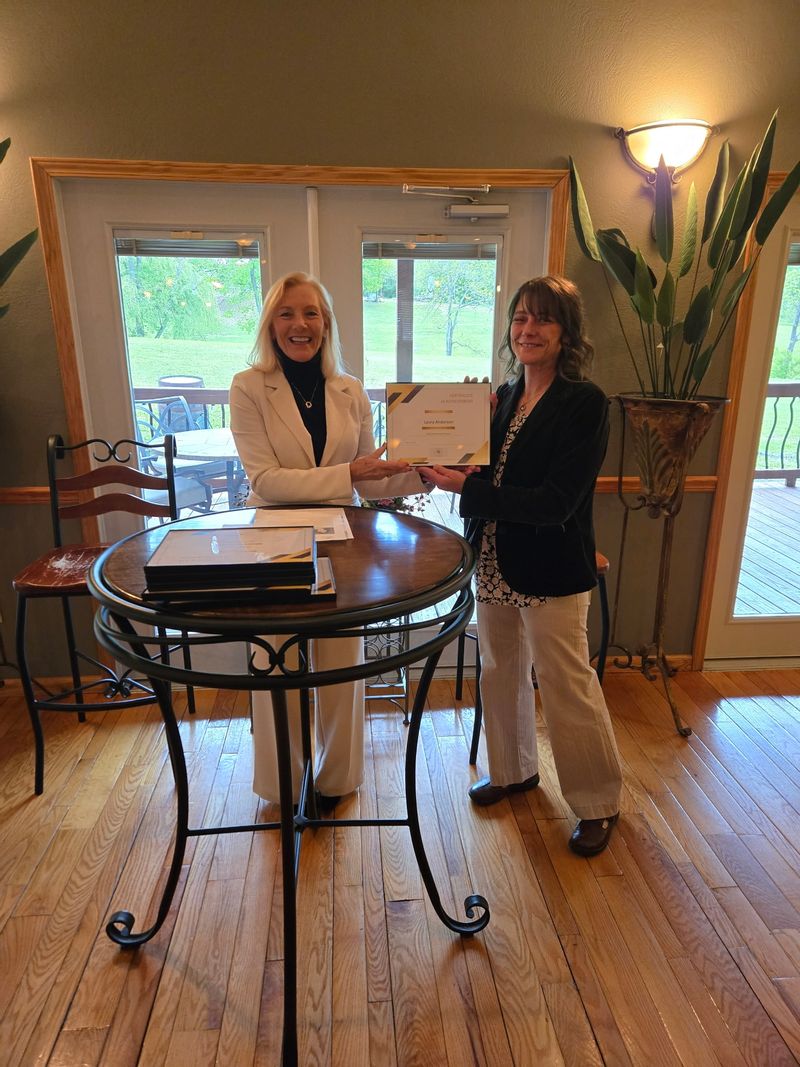
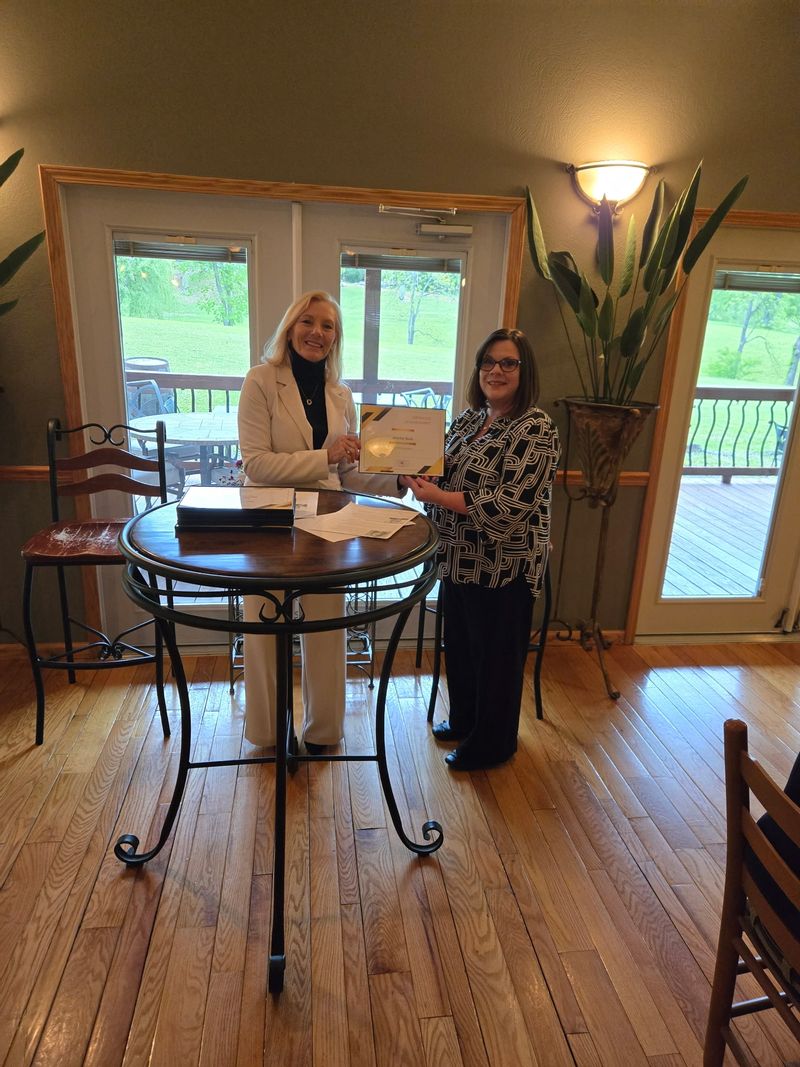
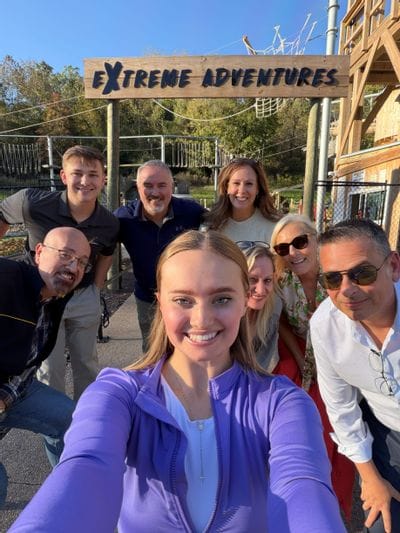
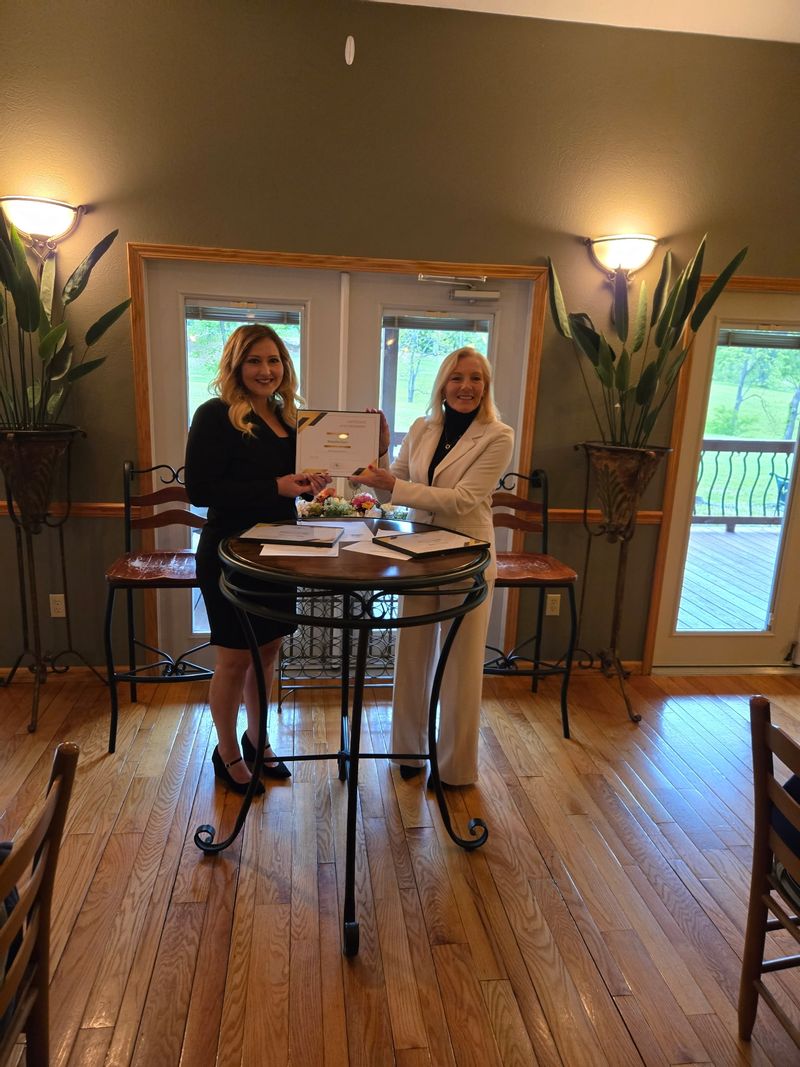
The cohort brought their learning full circle through a hands-on community service project, renovating the Blue Star Veterans Memorial planter at Lewis County Park—a visible and lasting contribution that reflects both service and leadership in action. The program concluded with a celebratory evening at Lambert’s Winery, where participants gathered for a reception, dinner, and graduation ceremony, marking not just the end of the program, but the beginning of their continued impact as leaders in Lewis County.
Click an image below to display the larger version.