
Lewis County Flood Recovery Series
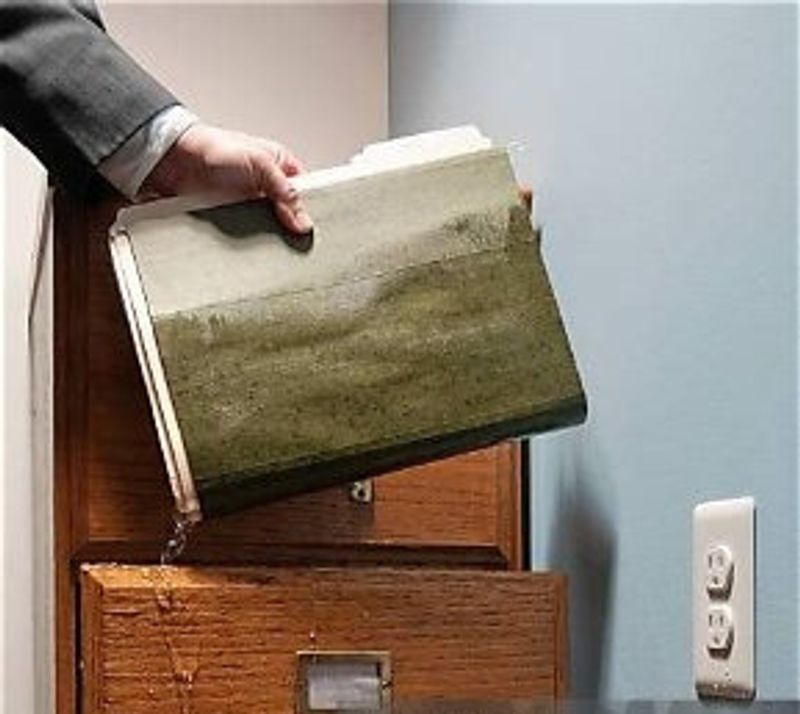
Restoring Water-Damaged Business Records After a Flood
Once the building is secure, one of the most important recovery tasks is protecting your business records.
From customer files and financial records to contracts, permits, and payroll information, these documents are essential for reopening, filing insurance claims, applying for disaster assistance, and maintaining compliance with state and federal regulations.
The good news is that many water-damaged records can be saved—or at least recovered enough to support your business recovery efforts. Acting quickly can make all the difference.
Identify Your Most Critical Records
Begin by locating the documents your business cannot operate without or that will be needed during the recovery process. Prioritize items such as:
Insurance policies and claim information
Tax records and financial statements
Payroll records
Accounts payable and accounts receivable
Business licenses and permits
Customer and vendor contracts
Banking records
Employee personnel files
Inventory records
Property deeds, leases, and equipment titles
If you maintain electronic records, verify that your backups are secure and accessible before attempting to recover damaged paper files.
Document the Damage Before Cleanup
Before moving or discarding damaged records:
Take photographs of affected filing cabinets, storage rooms, and individual documents.
Record the extent of the damage.
Keep damaged records until your insurance adjuster advises you that they are no longer needed.
These records may help support insurance claims, disaster assistance applications, or tax documentation for losses.
Handle Wet Records Carefully
Waterlogged paper becomes extremely fragile.
If possible:
Wear gloves when handling records that came into contact with floodwater.
Remove excess mud with clean water only if necessary.
Lift documents carefully to avoid tearing.
Do not force apart pages that have become stuck together.
If records have been contaminated by sewage or hazardous materials, consult your insurance carrier or a professional restoration company before handling them extensively.
Dry Records as Quickly as Possible
Mold can begin growing within 24 to 48 hours, making prompt drying essential.
For small quantities of records:
Spread documents on clean, absorbent surfaces.
Separate papers with wax paper or paper towels when possible.
Use fans and dehumidifiers to circulate air throughout the room.
Avoid directing high-speed airflow directly onto the documents.
For larger collections of files that cannot be dried immediately, place them in freezer bags and freeze them. Freezing halts mold growth and provides valuable time until professional restoration or drying can begin.
Know When to Call a Professional
Some business records are too valuable to risk damaging during a do-it-yourself cleanup.
Professional document restoration companies can often recover:
Financial ledgers
Legal contracts
Engineering drawings
Historical business records
Personnel files
Archived customer records
Many restoration companies use specialized freeze-drying and vacuum drying techniques that significantly improve recovery rates.
Recover Your Digital Information
Flood recovery isn't just about paper files.
If computers, external hard drives, or servers were exposed to water:
Disconnect power immediately.
Do not attempt to turn equipment back on.
Contact an IT professional or data recovery specialist.
Restore information from secure cloud or off-site backups whenever possible.
If your business already uses cloud-based accounting, customer management, or file storage systems, verify that your data remains accessible and begin rebuilding your operations from those records.
Keep Detailed Recovery Records
As cleanup continues, maintain careful documentation of your recovery efforts.
Track:
Cleanup expenses
Equipment replacement costs
Temporary operating expenses
Contractor invoices
Employee labor related to recovery
Lost inventory
Lost revenue, if requested by your insurance provider
Organized records will simplify insurance claims, loan applications, and disaster recovery assistance.
Prepare for the Future
While no one can prevent flooding, every business can reduce the impact of the next disaster.
Consider taking these steps once recovery is complete:
Digitize paper records and store them securely in the cloud.
Back up accounting and payroll systems regularly.
Store original legal documents in waterproof, fire-resistant containers.
Keep duplicate copies of critical records at another location.
Develop a written disaster recovery plan for your business.
Review your insurance coverage annually with your agent to ensure it reflects your current operations. Thoroughly understand coverages.
Preparation today can save weeks—or even months—of recovery after the next emergency.
Flood recovery is a marathon, not a sprint. As you work to restore your business, remember that you don't have to navigate the process alone.
The Lewis County Chamber of Commerce is committed to helping local businesses recover by connecting owners with available resources, funding opportunities, technical assistance, and recovery partners. Whether you need guidance on insurance documentation, disaster assistance programs, or simply a connection to the right organization, we are here to help.
Every business that reopens strengthens our local economy, supports local jobs, and helps our entire community move forward. Together, we can rebuild a stronger and more resilient Lewis County.